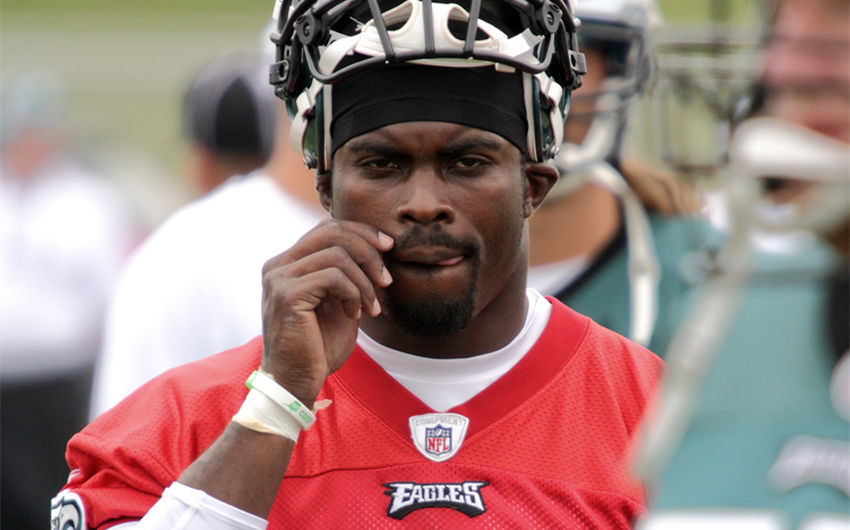
Michael Vick’s Net Worth: Rise, Fall, and Financial Comeback Explained
Michael Vick’s net worth is often discussed not just because of how much money he made, but because of how dramatically his financial life changed over time. At one point, he was the highest-paid player in the NFL, a cultural icon who redefined the quarterback position and attracted massive endorsement deals. Then, almost overnight, legal trouble erased his income, damaged his reputation, and pushed him into bankruptcy. What followed was a slow, deliberate comeback—both professionally and financially—that still shapes how people view his wealth today.
Michael Vick’s Early NFL Career and First Major Contracts
Michael Vick entered the NFL with rare expectations. Selected first overall by the Atlanta Falcons, he wasn’t just seen as a talented quarterback—he was viewed as a franchise-altering athlete. His playing style brought excitement, national attention, and commercial value to the team almost immediately.
Financially, that early success mattered. His rookie contract made him one of the highest-paid young players in the league at the time, and it didn’t take long for endorsement opportunities to follow. Companies wanted to associate with his image: electric, confident, and different from anything fans had seen before. Within a few seasons, Vick had positioned himself as both a football star and a marketable brand, setting the stage for a financial peak that seemed destined to last for years.
The Historic Falcons Contract That Changed Everything
In 2004, Michael Vick signed a contract that would define the peak of his earning power—and later complicate his financial downfall. The Atlanta Falcons gave him a 10-year, $130 million extension, making him the highest-paid player in NFL history at that time.
The deal included a massive signing bonus and significant guaranteed money, which created the expectation of long-term wealth and financial security. Like many athletes who sign contracts of that magnitude, Vick’s lifestyle expanded quickly. Expensive homes, large entourages, and ambitious investments became part of the picture, built on the assumption that elite-level income would continue uninterrupted.
What made this contract especially significant is that portions of the signing bonus were subject to repayment if contractual obligations were violated. When Vick’s legal troubles emerged, the same deal that had made him incredibly wealthy also became a source of financial strain, as the team sought to recover part of that guaranteed money.
Legal Trouble, Prison Sentence, and Financial Collapse
Vick’s legal case didn’t just end his season—it collapsed his entire financial structure.
In 2007, he pleaded guilty to federal charges related to a dogfighting operation. The impact on his income was immediate and severe. The NFL suspended him, the Falcons terminated his contract, and major endorsement partners dropped him. Without salary or sponsorship income, the cash flow that supported his lifestyle disappeared almost instantly.
Meanwhile, legal expenses mounted. Court costs, settlements, and creditor pressure continued to grow while his earning ability was effectively frozen. This period represents one of the clearest examples of how quickly financial stability can disappear when reputation and income are closely linked.
By the time Vick served his prison sentence and was released in 2009, the damage had already been done. The challenge was no longer maintaining wealth—it was surviving financially and addressing massive debt.
Bankruptcy Filing and Massive Debt
In 2008, Michael Vick filed for Chapter 11 bankruptcy protection. The filing revealed the depth of his financial collapse: his liabilities outweighed his assets by millions of dollars.
At the time, reports showed that Vick owed more than $20 million while holding significantly less in assets. This wasn’t the result of poor performance on the field—it was the outcome of lost income combined with financial obligations created during his highest-earning years.
Chapter 11 bankruptcy allowed Vick to reorganize his debts rather than eliminate them. He committed to a structured repayment plan that required discipline, long-term earnings, and strict financial oversight. For a professional athlete, this meant any future comeback wouldn’t just be about personal redemption—it would be about paying back what he owed.
NFL Comeback and Rebuilding Income
Michael Vick’s return to the NFL marked the beginning of his financial recovery, but it was far from glamorous.
When he signed with the Philadelphia Eagles in 2009, the contract was modest by superstar standards. It reflected uncertainty about whether he could still play at a high level and whether teams were willing to take on the reputational risk. For Vick, however, it represented opportunity—steady income and a chance to prove himself again.
That chance paid off. Over time, Vick regained his form and earned a starting role. In 2011, the Eagles rewarded his performance with a new contract reportedly worth up to $100 million, including significant guaranteed money. While this deal didn’t erase past losses, it fundamentally changed his financial outlook. It gave him the income needed to continue repaying creditors and stabilize his long-term finances.
This second major contract is the turning point in Michael Vick’s net worth story. It didn’t return him to the financial position he once held, but it made recovery possible.
Endorsements, Media Work, and Business Ventures After Football
Endorsements never fully returned to pre-scandal levels, but Vick gradually rebuilt professional credibility. Companies were more cautious, and deals were smaller, but they reflected a measured return of trust rather than the blind enthusiasm of his early career.
After retiring from the NFL, Vick transitioned into media and football-related roles. He worked as an analyst and public speaker, drawing on his experience and visibility to generate post-career income. These roles didn’t come with superstar paychecks, but they provided consistency—something that had been missing from his finances for years.
In late 2024, Vick took another major step by accepting a college head coaching position. Coaching doesn’t typically offer NFL-level earnings, but it represents stability, professional growth, and long-term relevance within the sport. From a financial perspective, it also signals a move toward predictable income rather than high-risk, high-reward opportunities.
Michael Vick’s Net Worth Today
So what is Michael Vick’s net worth today?
Most estimates place it in the low single-digit millions, often cited around $4 million. While this may seem low compared to his career earnings—well over $100 million—it reflects the reality of legal penalties, debt repayment, taxes, and years without elite income.
It’s important to distinguish between career earnings and net worth. Career earnings show how much money passed through his hands. Net worth shows what remains after everything else—debts, losses, and obligations—are accounted for. In Vick’s case, the gap between those two numbers is the story.
Financial Lessons from Michael Vick’s Story
Michael Vick’s financial journey offers lessons that extend far beyond professional sports.
First, high income does not guarantee lasting wealth. Without financial planning and risk management, even massive contracts can disappear quickly.
Second, reputation has tangible monetary value. Endorsements, opportunities, and second chances are closely tied to public perception, and once trust is lost, it can take years to rebuild.
Third, debt magnifies downturns. When income stops, existing obligations don’t. Vick’s bankruptcy illustrates how quickly debt can overwhelm even former high earners.
Finally, recovery is possible—but it requires discipline and time. Vick’s comeback wasn’t instant, and it wasn’t easy. It depended on earning back professional trust, accepting smaller opportunities, and committing to long-term financial responsibility.