Dr. Petit Family Tragedy: The Cheshire Murders and a Life Rebuilt After Loss
The Dr. Petit family tragedy refers to one of the most devastating crimes in recent American history—the 2007 Cheshire, Connecticut, home invasion that ended with the deaths of Jennifer Hawke-Petit and her two daughters, Hayley and Michaela. The case continues to resonate not because of sensational details, but because it shattered the sense of safety associated with ordinary family life. Years later, people still search for this story to understand what happened, how justice unfolded, and how Dr. William Petit survived and carried his family’s memory forward.
Who Is Dr. William Petit?
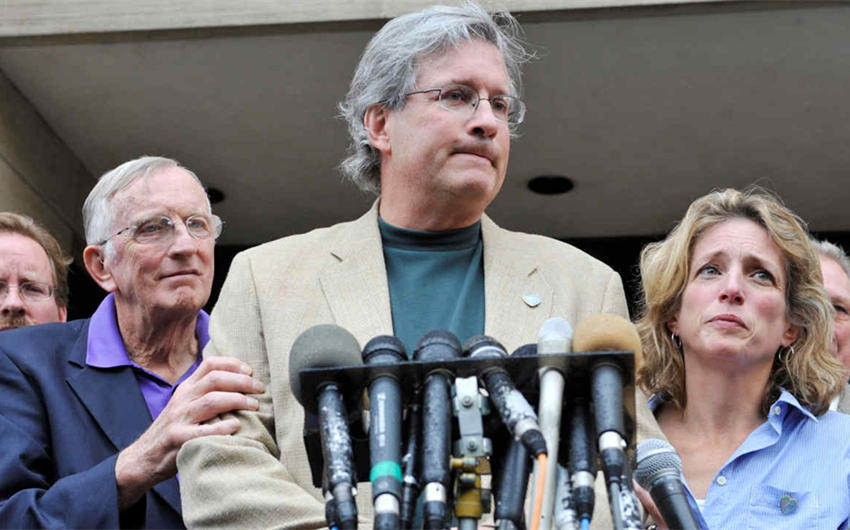
Dr. William A. Petit Jr. is a respected endocrinologist who lived and worked in Connecticut before the tragedy. At the time, he was known primarily within medical and local community circles. His life changed forever in July 2007, when he became the sole survivor of an attack that wiped out his immediate family.
In the years that followed, Dr. Petit became a public figure not by choice, but by circumstance. Later, he entered public service, serving in the Connecticut House of Representatives, a step many observers interpret as part of his effort to turn unimaginable loss into meaningful action.
The Petit Family Before the Tragedy
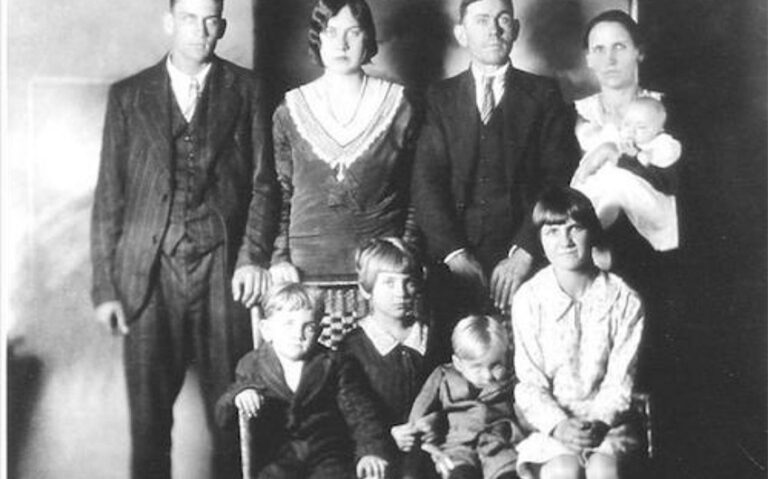
Before the crime, the Petit family lived a quiet, stable life in the town of Cheshire. Jennifer Hawke-Petit, Dr. Petit’s wife, was a nurse and a devoted mother who lived with multiple sclerosis. Despite her illness, she remained deeply involved in her daughters’ lives and in community causes.
Their older daughter, Hayley, was 17 years old and preparing for college, with a strong interest in education and service. Michaela, age 11, was a middle school student described as lively and creative. The family’s life reflected routine normalcy—school, work, and plans for the future—which is part of why the crime felt so profoundly disturbing to the broader public.
The Cheshire Home Invasion in 2007
In the early morning hours of July 23, 2007, two men, Steven Hayes and Joshua Komisarjevsky, broke into the Petit home. What began as a burglary escalated into a prolonged and violent home invasion.
Dr. Petit was beaten and restrained while the attackers searched the house for money. The crime extended over several hours, making it not only violent but deeply terrorizing. The length and nature of the attack shocked both law enforcement and the public once details emerged.
The Murder of Jennifer, Hayley, and Michaela Petit
Jennifer Hawke-Petit and her daughters did not survive the attack. Jennifer was killed during the invasion, and the girls died after the house was deliberately set on fire. These facts are reported in court records and reputable media coverage and are sufficient to convey the gravity of what occurred without graphic detail.
What matters most, however, is not the manner of death but the lives that were lost. Jennifer was a caregiver and advocate. Hayley stood on the edge of adulthood with aspirations for helping others. Michaela was a child whose future had barely begun. Their deaths left a permanent absence—not only in one family, but in a community.
Dr. Petit’s Survival
Dr. Petit survived after managing to escape despite severe injuries. Survival in such circumstances brings its own burden. Beyond physical recovery, survivors face psychological trauma, grief, and the painful reality of continuing life without those they loved most.
In testimony and interviews, Dr. Petit has spoken about the long process of coping with loss, emphasizing that survival does not mean healing is complete. Instead, it marks the beginning of a different, often lonely journey.
Arrest, Trial, and Convictions
Steven Hayes and Joshua Komisarjevsky were arrested shortly after the crime and charged with multiple counts, including capital murder. Their trials drew intense national attention.
Both men were ultimately convicted. Over the years, the case went through appeals and legal review, with convictions upheld. While the legal process took years, the outcome represented accountability within the justice system, even as it could never restore what was taken.
The Death Penalty Debate and Legal Impact
The Dr. Petit family tragedy became central to discussions about the death penalty in Connecticut. In 2012, the state repealed capital punishment for future cases. Initially, the repeal did not apply retroactively to those already sentenced to death.
However, subsequent rulings by the Connecticut Supreme Court determined that carrying out death sentences after repeal violated the state constitution. As a result, death sentences were replaced with life imprisonment without the possibility of parole.
This legal evolution made the Cheshire case a reference point in national debates about punishment, justice, and whether the death penalty serves victims or prolongs suffering through extended appeals.
Life After the Tragedy
The Petit Family Foundation
In the years following the murders, Dr. Petit helped establish the Petit Family Foundation, created in memory of Jennifer, Hayley, and Michaela. The foundation focuses on education, health initiatives, and support for victims of violence.
Rather than centering solely on loss, the foundation emphasizes forward-looking goals—scholarships, research funding, and community support—allowing the family’s names to be associated with opportunity and care rather than violence alone.
Rebuilding a Personal Life
In 2012, Dr. Petit remarried. Public reaction to this development was mixed, reflecting society’s complicated expectations of grief. But rebuilding a life does not mean forgetting. For many survivors, it means finding a way to live alongside loss, not beyond it.
Public Service
Dr. Petit’s later decision to serve as a state legislator reflected a broader pattern in his response to tragedy: engagement rather than withdrawal. Through public service, he participated in shaping policy and community life, even while carrying personal grief.
The Lasting Impact of the Case
The Cheshire murders left a lasting imprint on public consciousness. They influenced conversations about home security, parole, and the supervision of violent offenders. They also forced difficult questions about how justice systems balance punishment, deterrence, and compassion for victims.
More quietly, the case became a reminder of how fragile normal life can be—and how devastating crimes resonate far beyond their immediate victims.
Featured Image Source: abc7ny.com