Collyer Brothers Net Worth Explained: Inheritance, Harlem Property, and Lost Fortune
If you’re searching for collyer brothers net worth, you’re probably trying to figure out how two famously reclusive men could be described as wealthy—and still end up as a cautionary tale. The truth is that their “net worth” isn’t a clean, verified number the way a modern celebrity’s might be. It’s a historical puzzle shaped by inheritance, a valuable New York home, personal choices, and an estate that became tangled in tragedy.
Who the Collyer Brothers were, and why people assume they were rich
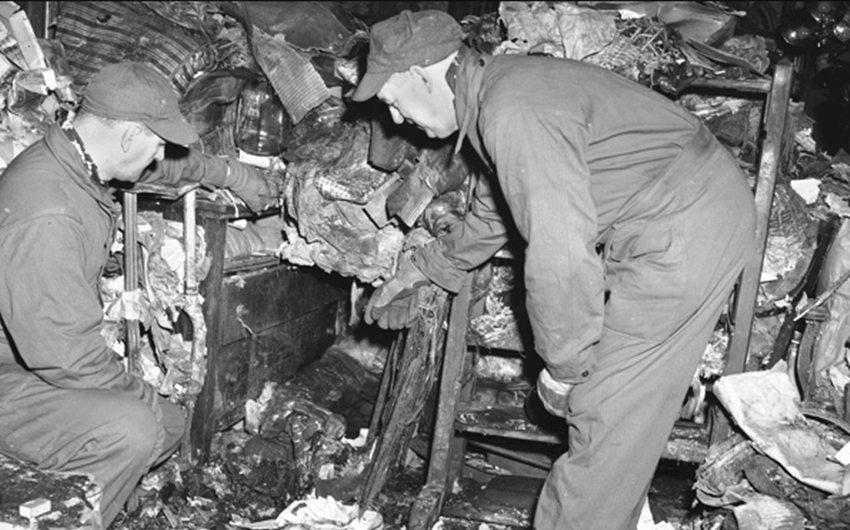
Homer and Langley Collyer were wealthy-leaning New Yorkers who became notorious in the mid-20th century for living as recluses in a Harlem brownstone packed with an extreme amount of clutter and collected items. Over time, their home became a symbol—part urban legend, part true crime history, part mental-health tragedy.
The reason “net worth” comes up so often is simple: they weren’t poor in the typical sense. Their background, education, and early lifestyle suggested comfort and status. They lived in a large, valuable property. They had family resources. And yet their daily life eventually looked nothing like wealth. That tension is what keeps people Googling them decades later.
Why there’s no single reliable “net worth” figure
When you see a dollar amount online for the Collyer brothers, it’s usually an estimate—sometimes repeated so often it starts sounding official. But historians and journalists faced a problem even at the time: the brothers lived privately, didn’t operate like public figures, and did not leave behind modern-style financial transparency.
Their net worth is hard to pin down for several reasons:
- Most of their wealth was not public. Inheritance, investments, and savings were not neatly disclosed.
- Property value can be misleading. A valuable home doesn’t mean someone has liquid cash.
- Personal choices obscured reality. Their isolation meant fewer outsiders had a clear view of their finances.
- Estate issues complicate accounting. After their deaths, the value and condition of the property and belongings became part of a complex cleanup and legal process.
So, rather than pretending a single number is confirmed, the most honest approach is to explain the components of their wealth and why that wealth didn’t translate into a stable or comfortable life.
The main foundation of their wealth: family status and inheritance
The Collyer brothers came from a family with social standing and resources, and they benefited from inherited stability that many people in New York at the time didn’t have. That doesn’t necessarily mean they were “millionaires” in the modern celebrity sense, but it does mean they likely had a stronger financial base than an average household.
Inheritance-driven wealth often looks like this:
- ownership of a valuable home or multiple properties,
- cash savings and conservative investments,
- family connections that support education and career access,
- and an expectation of long-term security.
In other words, they weren’t starting from nothing. They had a financial floor beneath them.
The Harlem brownstone: the asset everyone points to
Even if you know nothing else about their finances, one fact stands out: the Collyers owned (or controlled) a large Harlem home. In New York City, property is often the biggest wealth marker available to the public. It’s visible. It has a location. It can be priced, at least roughly, using comparable sales.
But here’s the catch: property value isn’t the same as accessible wealth.
A person can own a home worth a lot and still be “cash-poor” if they:
- don’t sell it,
- don’t rent it out,
- don’t refinance it,
- or can’t maintain it in a condition that preserves its market value.
In the Collyers’ case, the home’s condition ultimately became part of the story. The accumulation of items and the severe interior deterioration meant their “valuable asset” was, at the end, not a clean investment you could easily convert into money.
Were they actually wealthy, or just “property rich”?
They were almost certainly asset-holding—especially if you count the home and whatever inherited savings or investments existed. But if you define “wealthy” as living comfortably with liquidity, services, and flexible cashflow, the later Collyer years don’t fit that picture.
This distinction matters because “net worth” is a balance sheet concept, not a lifestyle concept. Someone can have a sizable net worth on paper while living in extreme deprivation because they aren’t using their assets in a way that supports their daily life.
The Collyers are an extreme example of that disconnect.
The hoarding factor: why possessions aren’t the same as wealth
One of the strangest parts of the Collyer story is that their home was filled with enormous quantities of objects—some of which people later described as “valuable” or “collectible.” That fuels a popular assumption: maybe they had a fortune hiding in there.
But hoarded possessions almost never translate into real wealth the way people imagine, because:
- Condition matters. Items exposed to moisture, pests, mold, or crushing weight lose value fast.
- Provenance matters. If you can’t verify what something is, buyers won’t pay premium prices.
- Markets are thin. Even genuine antiques can take time to sell, and bulk selling often brings lower returns.
- Removal and sorting costs money. Cleanup, hauling, appraisal, storage, and disposal can consume a surprising portion of any recovered value.
So while the house contained an overwhelming amount of “stuff,” that doesn’t automatically mean it contained an overwhelming amount of financial value.
What likely happened to their money over time
People often imagine a dramatic event—like a single bad investment—that explains why wealthy recluses ended up living in such conditions. But the more realistic explanation is usually slower and sadder: wealth can erode when someone withdraws from normal life and stops maintaining systems.
Here are plausible ways their financial position could have weakened, even if they had assets:
1) Costs and neglect quietly destroy property value
In New York, maintenance is not optional if you want to preserve a building’s value. Deferred repairs compound. Plumbing issues become structural issues. Pest problems become health hazards. Eventually, a property’s value is no longer “prime NYC real estate” but “expensive project with serious risk.”
2) Isolation reduces access to professional help
Wealth preservation often depends on lawyers, accountants, and trusted advisors. If someone rejects outside contact, they may miss tax deadlines, fail to manage accounts, or lose track of obligations that can snowball.
3) Liquidity dries up when assets aren’t used
If the main asset is a home and it’s never sold, rented, or leveraged, day-to-day life depends on whatever cash remains. Over time, cash can run out—even when net worth looks “high” on paper.
4) Health issues can accelerate everything
When health declines, it becomes harder to manage money, maintain property, or navigate the practical world. Even a well-funded person can spiral if they lose the ability—or willingness—to keep basic systems running.
So what was the Collyer brothers’ net worth at the time of their deaths?
There is no universally verified, single figure. If you see an exact number presented with certainty, it’s best to treat it as an estimate rather than a confirmed financial statement.
A more responsible way to frame it is:
- They likely had meaningful assets earlier in life, especially through inheritance and property.
- The Harlem home was their most visible asset, but its condition and usability as a financial resource deteriorated.
- Their “wealth” did not function like wealth because it wasn’t converted into stability, care, or a sustainable lifestyle.
In practical terms, their story shows how net worth can exist in theory while collapsing in reality.
What their “net worth” would be in today’s dollars
People also ask this question because they want to translate old money into modern money. But doing that accurately requires knowing actual figures (which we don’t reliably have) and knowing what assets existed, what debts existed, and what value was truly recoverable.
What you can say safely is that if someone owned a sizable New York City property in a neighborhood that later saw major real estate value shifts, that asset—under normal upkeep and normal market conditions—could represent substantial wealth today. The missing piece is that the Collyers’ situation was not “normal upkeep and normal market conditions.” Their property’s condition and the extreme circumstances around it make simple inflation math misleading.
The real takeaway: their “fortune” became trapped
The Collyer brothers’ story isn’t just about money. It’s about what happens when resources become inaccessible—psychologically, physically, and socially.
You can think of their net worth like a locked room:
- The value may have existed in assets.
- But the assets were not used in a way that created safety or comfort.
- Over time, the “lock” tightened through isolation, decline, and the physical condition of the home.
That’s why their story still resonates. It forces a strange conclusion: someone can possess wealth and still be unable to benefit from it.
Bottom line
The most honest answer to collyer brothers net worth is that no single verified number exists, and many figures repeated online are estimates. What is clear is that Homer and Langley Collyer likely had significant assets earlier in life—especially through inheritance and a valuable Harlem property—but their reclusive lifestyle and the condition of their home prevented those assets from functioning like usable wealth. Their net worth, in the end, is less a number and more a lesson: wealth that can’t be accessed, maintained, or managed can still collapse into tragedy.
image source: https://www.crimescenecleanup.com/the-collyer-brothers-death-scene/